
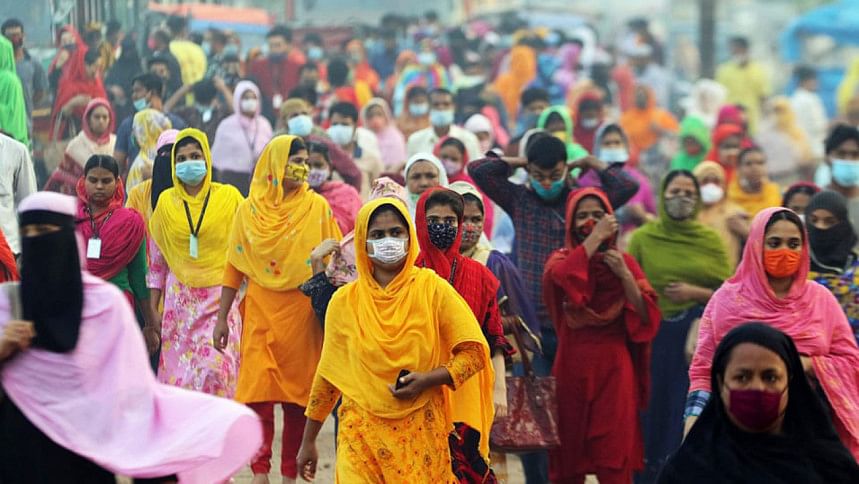
In a bid to ease concerns and maintain strong trade ties, Bangladesh has offered updates to the US regarding its ongoing efforts to improve labor rights. This follows the recent US presidential memorandum that emphasizes promoting worker welfare globally.
During a meeting with Acting US Secretary of Labor Julie Su in Washington DC, Bangladesh Ambassador Muhammad Imran discussed the current labor situation in his country and highlighted the steps taken to enhance workers’ rights. This dialogue comes amidst heightened scrutiny from the US government, with Bangladesh being a major beneficiary of American trade.
Secretary Blinken’s recent mention of Kalpona Akter, a Bangladeshi garment worker and activist, as an example of the individuals the policy aims to protect, further amplified concerns about worker conditions in Bangladesh. The memorandum also outlines potential increased direct engagement from US diplomats on labor issues within Bangladesh, a point that prompted the Bangladeshi embassy to flag potential targeting in a letter to the commerce ministry.
However, the meeting between Ambassador Imran and Su yielded positive results. Both parties agreed to maintain open communication and engagement at various levels of both governments to address labor concerns and understand each other’s perspectives. This ongoing dialogue is crucial for Bangladesh to address any inconsistencies in its labor practices and retain its vital export market in the US.
Moreover, Ambassador Imran further engaged with Deputy Under Secretary of Labor Thea Lee during the same event, demonstrating Bangladesh’s proactive approach in addressing the matter. With Salim Reza, the Minister (Commerce) of the Bangladesh Embassy present as well, the engagement signifies a united front in addressing US concerns and pursuing positive outcomes.
The future of Bangladesh’s labor landscape and its trade relationship with the US hinge on the effectiveness of these ongoing talks and Bangladesh’s unwavering commitment to implementing meaningful improvements in worker rights.








Design & Devlopment : Ifad Technology


