
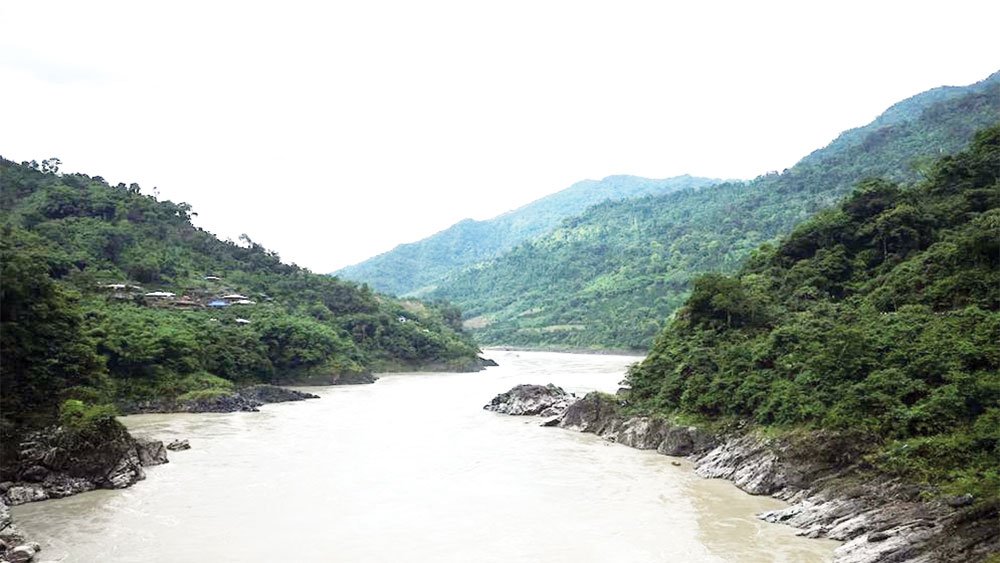
India has raised serious concerns over China’s proposed mega hydroelectric dam in Tibet. Authorities fear that once operational, the dam could reduce the water flow in key Indian rivers by up to 85% during the dry season.
According to Reuters, the project could divert nearly 40 billion cubic meters of water from rivers along the border, potentially impacting downstream regions severely. In response, India is fast-tracking plans for its own large-scale hydro project, the Upper Siang multipurpose dam, which would become the country’s largest if completed.
Local communities in Arunachal Pradesh oppose the project, citing displacement risks for thousands and the submergence of numerous villages. Protests, clashes, and heightened tensions have already emerged in the region.
China maintains that the dam has been approved following strict scientific assessments and will not harm the water resources or environment of neighboring countries. However, experts warn that constructing mega dams in earthquake-prone regions like Tibet and Arunachal Pradesh could pose serious hazards.
The pressing question remains—will these dams bring development or ignite a new “water conflict” in South Asia?









Design & Devlopment : Ifad Technology


