
Dhaka, 27 September 2025 —
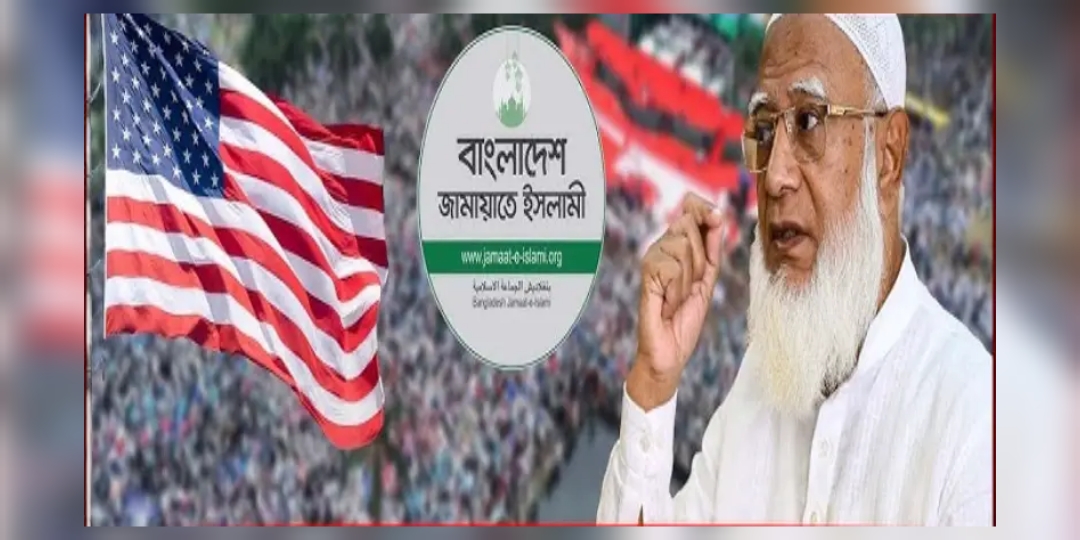
From a U.S. diplomatic perspective, the rise of Jamaat marks a new calculation of policy and strategy. Following the July upheaval that led to the fall of the Awami League government, Jamaat-e-Islami has quickly emerged as a significant political force in Bangladesh. The party now stands out as the second-largest force after the BNP.
Earlier, in the “Purber Hawa” series published by Indian media, a former U.S. diplomat commented that the United States has long considered Jamaat as a potential alternative political force. Although the diplomat remained unnamed, five factors were highlighted: the party’s educated leadership, business successes, history of long-term persecution, comparatively progressive Islamic stance, and participation in democratic structures.
For these reasons, the U.S. believes that in a country with a majority Muslim population, Jamaat should at least be given one opportunity to assume power. In the diplomat’s words, “They are an organized party, and they deserve a chance at least once.”
After the fall of Sheikh Hasina and the ensuing unrest, Jamaat has become actively involved in political mobilization. However, the party understands it cannot form a government on its own. Efforts are underway to form a larger coalition through understanding with other Islamic parties, which could create a new dynamic in policy and regional diplomacy for future elections.








Design & Devlopment : Ifad Technology


