
Dhaka, November 3, 2025:
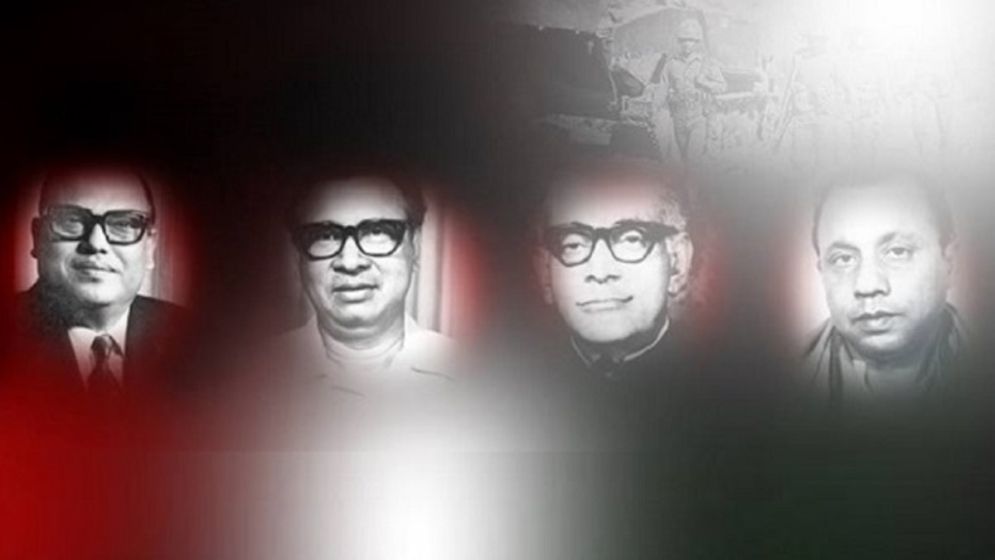
Today marks Jail Killing Day, commemorating one of the darkest chapters in Bangladesh’s history. On this day in 1975, four key leaders of the wartime Mujibnagar Government—Syed Nazrul Islam, Tajuddin Ahmad, Captain M. Mansur Ali, and A.H.M. Qamaruzzaman—were brutally murdered inside the Dhaka Central Jail. The killings took place just two and a half months after the assassination of Father of the Nation Bangabandhu Sheikh Mujibur Rahman and his family.
Following Bangabandhu’s arrest by the Pakistani army during the 1971 Liberation War, these four leaders took charge of the provisional Mujibnagar Government, formed on April 10, 1971. They guided the political and administrative affairs of the Liberation War, playing a decisive role in steering the struggle toward victory.
Political analysts describe the jail killings as a deliberate attempt to wipe out the leadership of the Liberation War and destabilize the newly independent nation. Eminent citizens continue to echo the sentiment that, “Individuals can be killed, but ideals cannot be destroyed,” underscoring the enduring relevance of the leaders’ sacrifice.
The trial of the Jail Killing case began in 1996, and after years of legal proceedings, several of the accused were executed. However, concerns remain as some perpetrators are still beyond the reach of justice.
As in previous years, political parties, government bodies, and social organizations are observing the day with various programs, including discussion meetings, mourning processions, and prayer gatherings in Dhaka and across the country, honoring the courage and legacy of the four national leaders.









Design & Devlopment : Ifad Technology


