
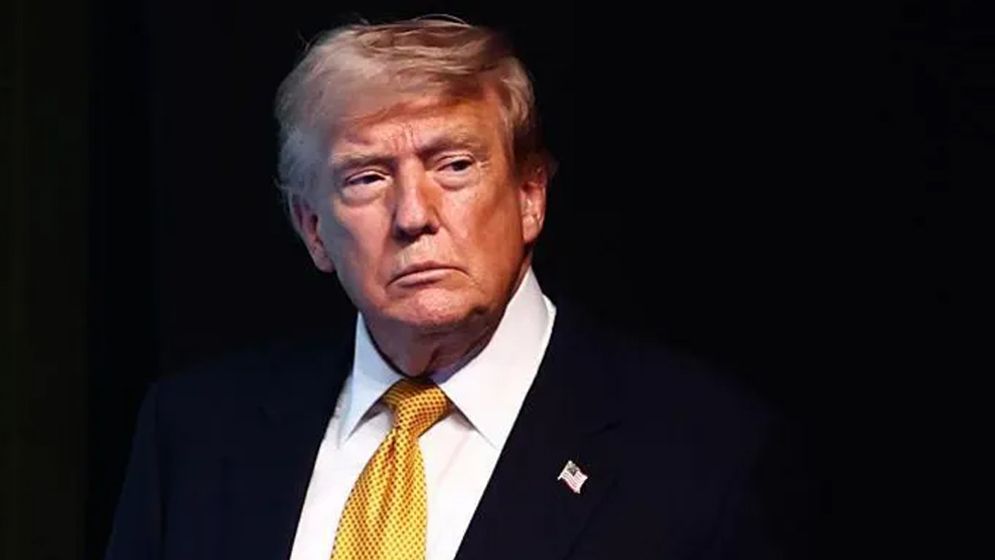
WASHINGTON, July 15 — U.S. President Donald Trump has reversed his decision to impose a 20 percent fee on ships transiting the Strait of Hormuz just 24 hours after announcing it, underscoring difficulties in ending a conflict with Iran that has lasted over four months, according to BBC analysis.
Trump said Monday on Truth Social that a U.S. naval blockade on Iranian shipping was back in effect and that all vessels, including allies’, would pay 20 percent to cover U.S. security costs in the volatile waterway.
A day later he proposed trade and investment deals with Gulf allies instead, shifting from toll collection to economic cooperation to ensure safe passage, the report said.
The reversal came amid a fragile memorandum of understanding signed a month ago that established a temporary ceasefire framework but failed to stop fighting.
Analysts cited domestic unpopularity of the war, risks of higher fuel prices and potential Iranian attacks on U.S. forces as reasons Trump is reluctant to expand the conflict.
At the same time, ending it without a deal better than the 2015 nuclear deal under Barack Obama would be politically awkward.
Rosemary Kelanic, Middle East program director at Defense Priorities, was quoted as saying the war may have no clear end, becoming an unresolved, protracted conflict.
On July 14 at 10:16 a.m. local time, Trump’s Truth Social post reimposing the blockade coincided with new U.S. strikes on Iranian facilities, prompting intensified Iranian attacks on allied and commercial shipping and nearly halting traffic through Hormuz.
Despite degrading Iranian military capabilities, Washington has not secured a political settlement.
Iran retains capacity to disrupt shipping unless the U.S. dramatically expands operations, analysts said.
The proposed fee was seen as an effort to justify military costs domestically.
A month ago Secretary of State Marco Rubio had said no country can impose tolls on international waterways under international law.
The MOU had envisioned Iran facilitating fee-free safe commercial transit and included promises of billions in investment and sanctions relief, which Tehran has long sought to frame as a right.
So far that calculation has not worked.









Design & Devlopment : Ifad Technology


