
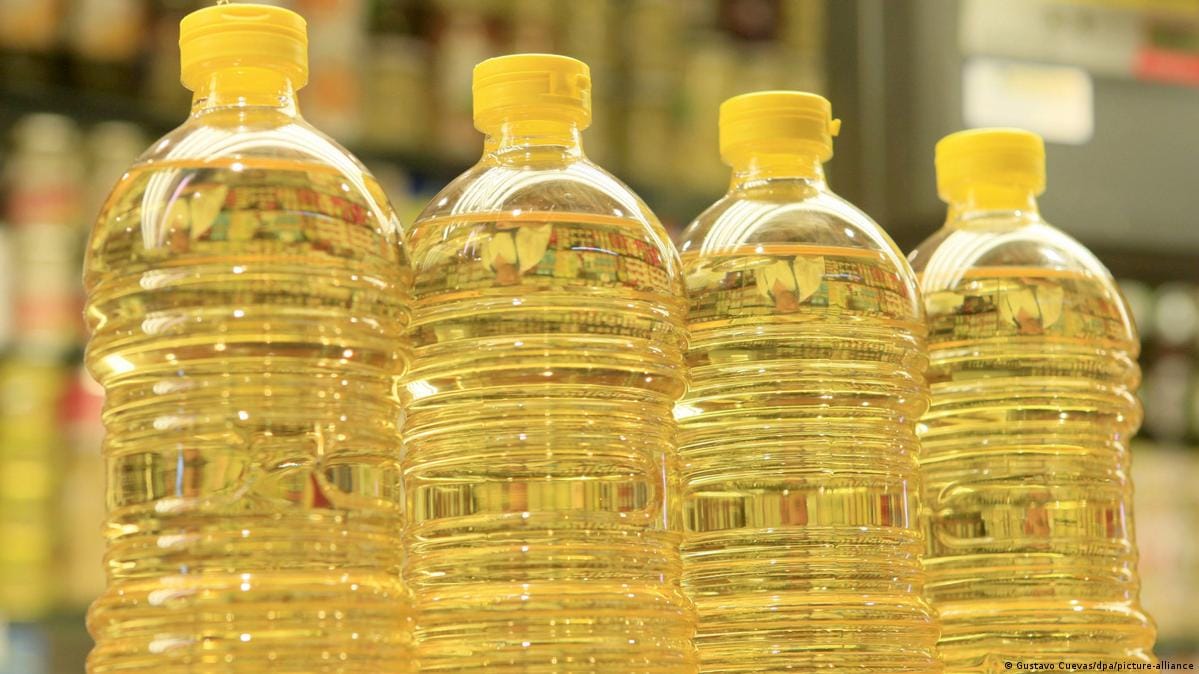
A new concern over food safety and public health has emerged after microplastics were found in soybean oil sold in the capital’s markets. A recent study has detected a huge amount of microplastic particles in both bottled and loose soybean oil. However, researchers say the level of contamination is significantly higher in loose oil than in bottled oil.
The findings of this joint study conducted by researchers of Jahangirnagar University (JU) and Bangladesh University of Professionals (BUP) have recently been published in the international scientific journal Journal of Food Composition and Analysis.
As part of the study, 60 samples of bottled and loose soybean oil were collected from various super shops and open markets in Tejgaon, Uttara and Cantonment areas of the capital. Later, alarming information was found after testing the samples through modern spectroscopic and chemical analysis.
The study found an average of 53,922 microplastic particles per liter of soybean oil. Among them, loose oil has the highest level of contamination. An average of 59,778 plastic particles per liter has been detected in loose oil, which is about 1.24 times higher than bottled oil.
According to researchers, the amount of microplastics in loose oil may increase due to repeated use of the same container for storing loose oil, the industrial environment, proximity to plastic and textile industries, and contamination added at various stages of marketing. The highest level of contamination was detected in loose oil samples collected from the Tejgaon area.
Six types of plastic polymers were identified through laboratory analysis. These are — Low-Density Polyethylene (LDPE), High-Density Polyethylene (HDPE), Polypropylene (PP), Polyethylene Terephthalate (PET), Polyurethane (PU) and Nylon. According to researchers, the detection of polyurethane and nylon in edible oil is rare even in international research.
The study also mentioned that about 82.5 percent of the identified plastic particles were fiber-like. Of these, 56.29 percent were transparent and about 35.84 percent of the particles were between 101 and 500 micrometers in size.
The study also presented an alarming picture of the possible entry of these particles into the human body. According to estimates, an adult can ingest an average of about 17.65 and about 6,441 microplastic particles per year. The risk is even higher for children. A child can ingest an average of about 77 plastic particles per day and about 28,180 per year. According to the study’s forecast, there is a risk of up to 2.09 million microplastic particles entering a child’s body during their lifetime.
According to experts, microplastics can have long-term negative effects on the human digestive system, normal hormonal function, cell structure and metabolic processes. Some of the extremely small particles also risk entering the bloodstream and spreading to various organs of the body.
Head of the research team, Professor Dr. Shafi Muhammad Tarek of the Department of Environmental Sciences at Jahangirnagar University, said microplastics are now one of the emerging pollutants for global public health. It can have harmful effects on human reproductive health and metabolic system. Therefore, it is urgent to ensure effective management of plastic waste, increase recycling, and strict quality control at every stage of food production and marketing.
The researchers have recommended the use of high-quality filters at every stage of food processing, storage, transportation and sale, strict monitoring of open edible oil sales, and formulation of a national policy for monitoring microplastics in food products.
Earlier, a study by the Environment and Social Development Organization (ESDO) also found microplastics in various brands of toothpaste sold in the country’s market. In that study, plastic particles were found in 26 out of 34 samples tested. Even though such contamination was detected in several toothpastes made for children, the issue has newly attracted the attention of public health experts.
Experts believe there is no room for further delay in taking effective steps to control microplastic pollution in food and everyday products. What is needed now is an integrated policy, strict supervision and initiatives to raise public awareness.









Design & Devlopment : Ifad Technology


