
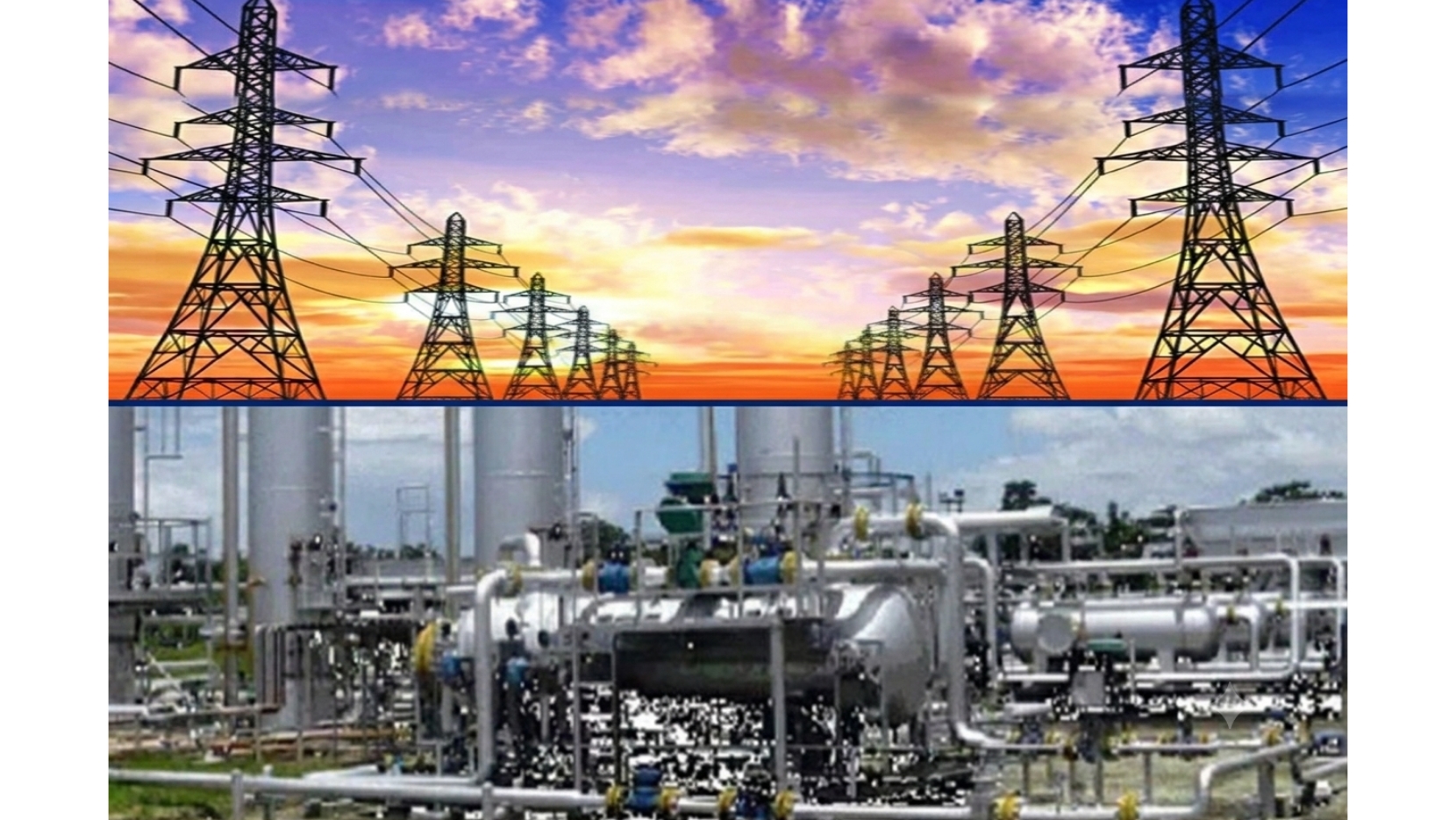
A silent crisis is becoming increasingly evident in Bangladesh’s power sector. Due to a severe shortage of natural gas, highly efficient and low-cost gas-fired power plants located in and around the capital are unable to operate at adequate capacity. As a result, the national grid is increasingly relying on coal-fired power plants in the country’s southern region and electricity imported from India to meet demand. This dependence requires electricity to be transmitted over hundreds of kilometers, significantly increasing both transmission costs and system losses for Power Grid Bangladesh PLC (PGCB). The growing burden is affecting the overall financial stability of the power sector.
According to multiple sources within the Power Division, transmission expenses have now become a greater challenge than power generation costs. To cope with the mounting financial pressure, Power Grid Bangladesh PLC has proposed an increase in transmission tariffs to the Bangladesh Energy Regulatory Commission (BERC). Energy experts, however, argue that a substantial portion of these additional costs could be avoided if gas-fired power plants near Dhaka received sufficient gas supplies.
Bangladesh currently experiences an average daily electricity demand exceeding 16,000 megawatts (MW). A significant share of this demand is being met through electricity generated by Adani Power in India and the Payra and Rampal coal-fired power plants in southern Bangladesh. Since electricity from these sources must travel long distances to reach major load centers such as Dhaka, both technical transmission losses and operating costs have risen considerably.
Sources further reveal that the 20 gas-fired power plants operating under Titas Gas Transmission and Distribution PLC have a combined generation capacity of 6,076 MW. Operating these plants at full capacity requires approximately 996 million cubic feet (MMcf) of natural gas per day. However, they currently receive only slightly over 270 MMcf per day, representing just 27% of the required supply. Consequently, most of these plants are unable to generate electricity at full capacity.
The gas shortage has forced the complete shutdown of all generating units at the 1,315 MW Ghorashal Power Plant in Narsingdi, which requires 148 MMcf of gas per day to remain operational. Similarly, a modern 718 MW power plant at Meghnaghat in Narayanganj is also out of operation. Although Meghnaghat hosts three highly efficient power plants with a combined capacity of nearly 2,000 MW, inadequate gas supplies prevent all units from operating simultaneously. Limited gas availability means only one or two units can run while the others remain idle.
Several other power plants—including Agrico, Siddhirganj, EGCB, Meghnaghat IPP, Summit Meghnaghat, RPCL, HPS, Madhabdi, Ashulia, Maona, Rupganj, HPL, and Regent—are also unable to operate at full capacity due to gas shortages. As a result, the country is failing to maximize its ability to generate electricity at comparatively lower costs.
Sector insiders note that transmission costs are now rising faster than generation costs. In particular, transporting electricity from Adani Power and the Payra Power Plant over long distances is imposing substantial additional financial pressure on Power Grid Bangladesh PLC, ultimately contributing to higher overall electricity costs.
Energy experts emphasize that Bangladesh could significantly reduce transmission expenses, technical losses, and financial deficits by effectively implementing the Merit Order Dispatch principle and prioritizing the operation of highly efficient gas-fired power plants located close to the country’s major demand centers, especially around Dhaka. Such an approach would also improve the efficiency and affordability of the nation’s electricity generation and supply system.
Meanwhile, Shahnewaz Parvez, Managing Director of Titas Gas Transmission and Distribution PLC, said that gas allocations remain far below demand, resulting in shortages across the power, industrial, and residential sectors. According to him, supplying more than 300 MMcf of gas per day would enable Titas to provide normal service to its customers. However, gas allocation decisions are entirely dependent on Petrobangla. If adequate gas allocations are ensured, power plants would be able to resume normal operations.
Analysts warn that unless the gas supply crisis is addressed promptly, both electricity generation and transmission costs will continue to increase. The resulting financial burden could weaken the sustainability of Bangladesh’s power sector and eventually affect electricity costs for consumers. They therefore stress the urgent need for coordinated planning between the energy and power sectors and for maximizing the utilization of existing domestic generation capacity.









Design & Devlopment : Ifad Technology


